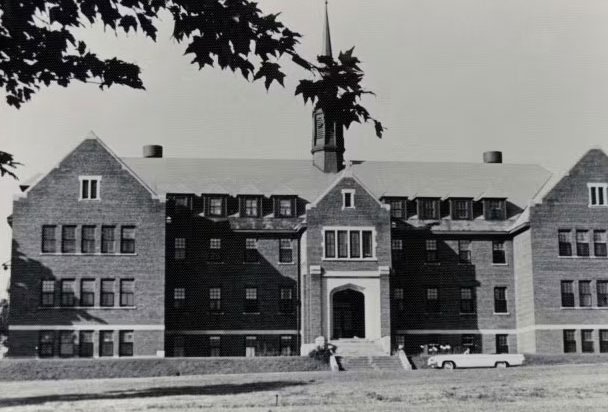
Indian Residential, Day, and Industrial Schools

Indian Residential, Day, and Industrial Schools

History of the Indian Residential School System in Canada

Our Creation Story tells us how we came to occupy and thrive on Turtle Island. For thousands of years, our culture and knowledge have helped us to flourish and adapt to ever-changing circumstances. We lived in a vibrant society based on the enduring strengths of our culture.

The biggest test of our society began when visitors from another continent arrived under the guise of friendship. Alliances and rivalries were formed with the various newcomers. Soon, missionaries arrived on our lands with the intent of saving our souls – they were trying to save us from ourselves.
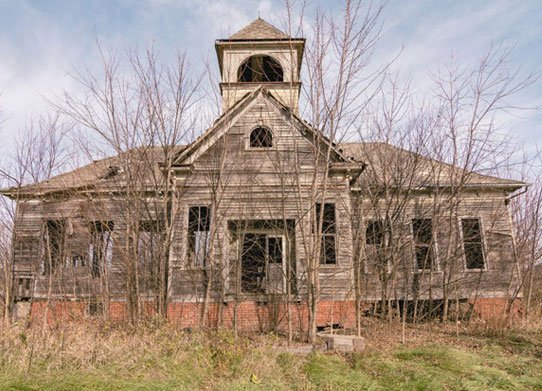

Anishinabek Nation Map and Information Federally Recognized Indian Residential Schools in Anishinabek Territory
Federally Recognized Indian Residential Schools in Anishinabek Territory
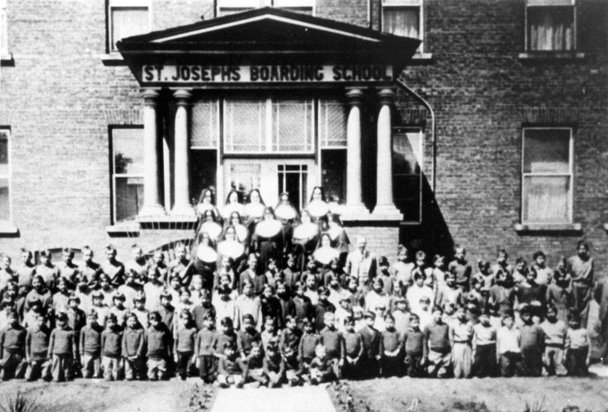
St. Joseph’s Indian Residential School
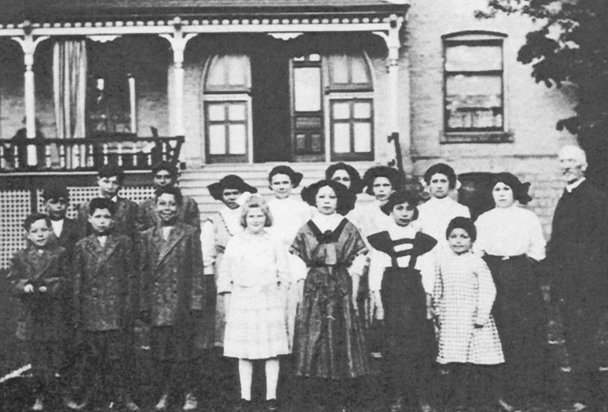
Mount Elgin Indian Residential School
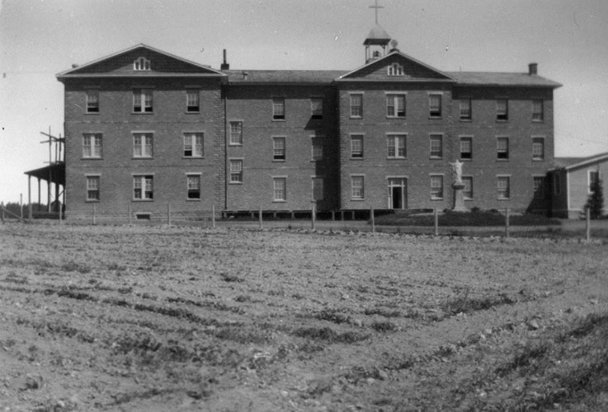
Spanish Girls School (St. Joseph’s School)
Spanish Boys School (St. Peter Claver School)
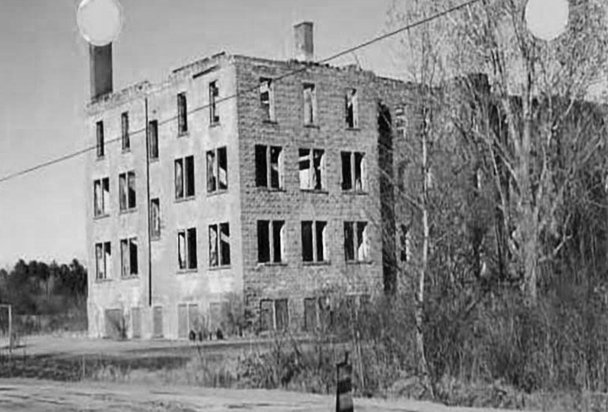
Shingwauk Residential School (Wawanosh)

Dates of operation:
1885-01-01 – 1970-06-30

Dates of operation:
1867-01-01 – 1946-06-30

Dates of operation:
1868-03-24 – 1962-06-30

Dates of operation:
1868-03-24 – 1962-06-30

Dates of operation:
1873-09-22 – 1970-06-1970

AN OVERVIEW OF THE SCHOOLS
  • The goal of Indian Residential Schools was to assimilate Indians into society— to kill the Indian in the child.
  • The Canadian government operated Indian Residential and Day Schools in partnership with the Anglican, Catholic, Methodist, and Presbyterian churches, among others.
  • The Canadian government was financially responsible for Indian Residential Schools.
  • Indian Residential Schools operated in all Canadian provinces and territories except Prince Edward Island, New Brunswick, and Newfoundland.
  • Indian Residential Schools operated in Canada between the 1870s and the 1990s.
  • The last Indian Residential School closed in 1997.
  • Children between the ages of 4–16 attended Indian Residential School.
  • It is estimated that over 150,000 Indian, Inuit, and Métis children attended Indian Residential School.

Before Indian Residential Schools existed, Industrial Schools existed both on and off-reserve. They were a form of “manual labour school”. Eventually, the Industrial School model was phased out in favour of the Indian Residential School model.

The Indian Residential School system was mainly located off-reserve, attended by children for the duration of a 10-month academic year. In some cases, children lived at the Residential School year-round. The students’ time was divided between academic learning, religious prayer, and tasks.

Despite the type of school system, they were all based on the clearly stated goals of assimilating Indians, deemed to be the most effective way to “civilize” the Indians.

“…[I]f anything is to be done with the Indian, we must catch him very young. The children must be kept constantly within the circle of civilized conditions.”

Nicholas Flood Davin, “Report on Industrial Schools for Indians and Half-Breeds,” 1879.

Duncan Campbell Scott, who was the Deputy Minister of Indian Affairs in Canada in 1920, has been quoted on the record saying:

“I want to get rid of the Indian problem. I do not think as a matter of fact, that the country ought to continuously protect a class of people who are able to stand alone… Our objective is to continue until there is not a single Indian in Canada that has not been absorbed into the body politic and there is no Indian question, and no Indian Department.”